
My first herpes disclosure was typed into my phone and handed to a woman who had just invited me over. Not long after, I found out she'd had herpes the whole time.
I was diagnosed with genital HSV-2 in September 2020 and got back into dating a couple of months later. Since then I've had short and long-term relationships, been turned down, and dated in Canada and Bali. Here's what it has actually been like, including why herpes ended up making my dating life better.
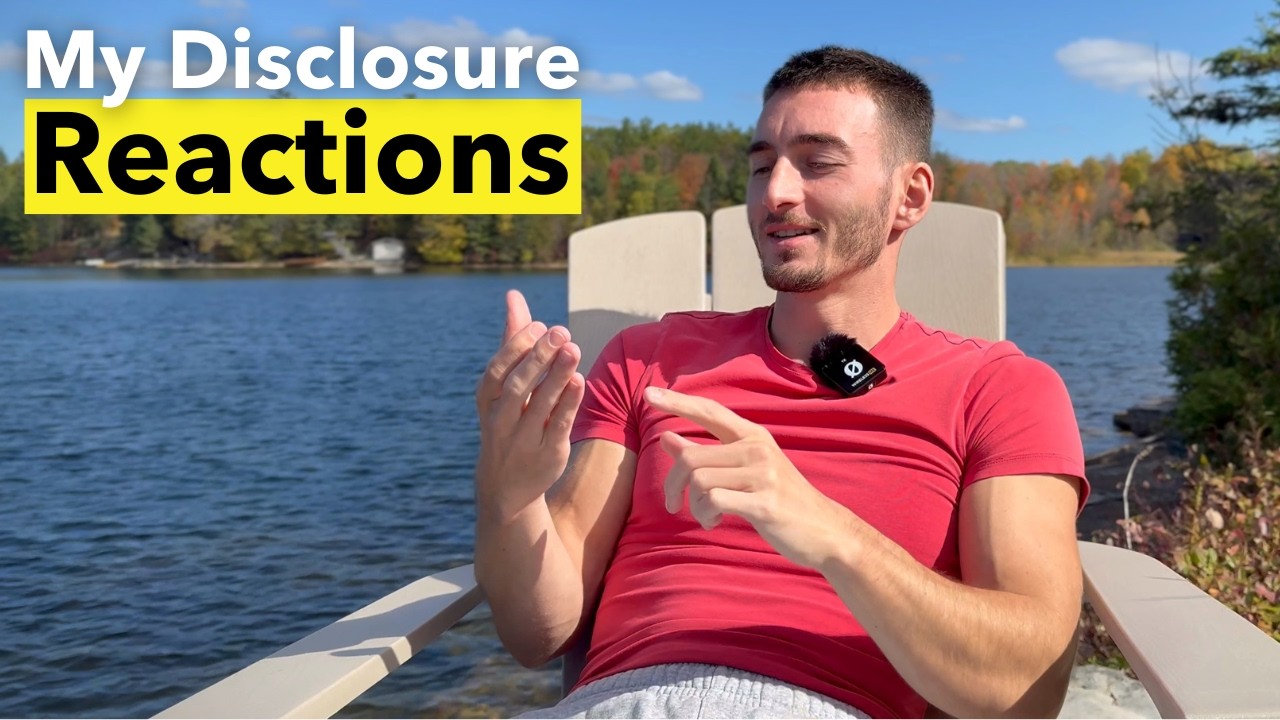
Prefer to watch? This guide is based on my video above.
How I got back into dating after my diagnosis
Right after my diagnosis I had the usual thought: nobody's going to date me. Here's what I did about it.
I got properly educated. Once the shock wore off and my first outbreak settled down, I went looking for reliable sources. Transmission, outbreaks, how to lower the risk for a partner, why there's so little testing. I picked through the Reddit threads and armchair doctors until I had sources I trusted, because future partners would have questions.
I questioned the stigma. I looked into where the herpes stigma came from. A Slate piece on how herpes became a sexual boogeyman is worth searching for. What I realized is that the stigma is about shaming sex. I'd had a small number of partners. I didn't fit the label the stigma hands you, and I wasn't going to take what it said as truth. Did some of that shame creep in at the start? Sure. But I asked myself whether my own truth mattered more than what the stigma told me to believe. It did. This could have happened to anybody.
I decided to accept it. You're going to accept your diagnosis at some point, whether that's today or five years from now. So ask yourself a simple yes or no question: am I going to accept this? The sooner the answer is yes, the sooner you can move forward.
I remembered I was the same person. A lot of people split their life into before herpes and after herpes, as if those are two different people. If you believe you're now someone different and less worthy, you start acting like it. You stop caring about the gym, your haircut, how you dress, even seeing your friends. Nothing about who you are actually changed. Once I believed that, I acted like it.
Don't go out looking for your wife
This was my cheat code. I wasn't out there trying to fall madly in love. I was just dating. So I took it one step at a time. Does she reply? Do we go on a first date? Do we like each other enough for a second? Maybe, eventually, things head toward intimacy, and that's when the conversation happens.
Here's an exercise I give clients. Write down the ideal version of yourself with herpes: confident, educated, actively dating, able to talk about your status easily, not worried about anyone's opinion. Read it every day. Picture it in detail. Then act as that person today. If that version of you is dating, so are you. That's how I got back into the habit of dating.
How my first herpes disclosure actually went
The first two women I dated after my diagnosis never got to the point where the conversation was needed. One of them went back to her ex. The third, I met on Tinder in December 2020, during lockdown in Canada. We talked and saw each other for about two months with no intimacy. I don't recommend waiting that long. I just didn't know how to navigate dating with herpes yet.
At the end of February, she invited me over, and I knew the conversation had to happen before anything else did. So I said, "Hold on, I have to tell you something." I typed it into my phone and showed her: "I have the virus that causes herpes. I take medication to make myself safer. Let me know if you have any questions."
She was shocked and didn't know what to do. Nothing happened that night. A couple of weeks later, I walked her through the facts, and she wanted to learn more. We ended up being intimate, and she didn't get HSV-2 from me.
Then, a week or so later, she had a sore on her lip. "I just get it when I'm sick," she said. She'd had oral herpes the whole time and never thought to mention it, while I was working up the courage to disclose mine. It wasn't nearly the big deal I'd built it up to be.
Why your first win changes everything
After that first disclosure, I never lacked confidence in dating again. Sure, someone can still turn me down. But I stopped worrying about being alone forever, because I had proof that a regular, attractive woman would still date me.
Your first win doesn't have to be a disclosure. It can be the first person who accepts you, the friend who still wants to hang out after you tell them, or the first time you're intimate and don't pass it on. Every one of those is evidence against the belief that you can't date with herpes.
If a disclosure goes badly, review it
Don't give up after a no. Look at how it went, honestly.
- Confidence. Did you sound like you believed you were worth choosing?
- Information. Could you answer their questions, or did you stumble?
- Framing. Was it a mutual conversation about sexual health, or a confession?
- Delivery. Were you crying, apologizing or oversharing?
- The person. Were they just a judgmental, uninformed person who was never going to hear it well?
What reactions to herpes disclosure are actually like
In April 2021, not long after that first disclosure, I started posting publicly about having herpes. You don't need to go public, but it taught me something. Once your status isn't a secret you're guarding, dating with herpes is just meeting people, telling them, gauging their reaction, managing it together, and either moving forward or moving on.
Since then, it's never been a big sit-down. It's more like: this is what I have, take it or leave it. I really believe the energy you bring to the conversation is what attracts or repels people. I've had long-term relationships that started with that same kind of disclosure. I've also been turned down by people who were put off or didn't want to take the risk, and that's part of dating. What I've never really had is the movie version: "You should have told me sooner! I wasted all this time! You're disgusting!"
Sometimes I've had to bring it up fairly quickly before things got physical. What works is detaching from the outcome: stay calm, know your facts, and don't get needy or try to convince them.
The herpes stigma isn't the same everywhere
I dated in Bali for about four months, and I've dated or talked with people from North America, Asia, South America and Europe. Outside of places like Canada, the US, the UK, Australia and Ireland, a lot of people don't know they're supposed to shame you for herpes. The reactions I got were more like "What's herpes?" or "Why are you even telling me this?" or "Oh, I get that too." Some needed to learn more to feel safe, which is fair.
The idea that herpes is the worst thing ever never came with herpes. It came with a stigma that was created, manufactured and reinforced.
Once you see the stigma as nonsense, someone who believes it can't really shame you. Your reaction becomes "You still believe that?"
Can herpes actually improve your dating life?
It sounds crazy, but yes. Think about the worst possible reaction: "Why would you tell me this? You're disgusting, get away from me." Are you actually missing out on that person? If what you want is a loving, understanding partner who likes you for you, your status stops being a red flag and becomes a filter. It screens out people who only want your body and people who aren't mature enough to have a respectful conversation.
You'll usually meet two kinds of reaction. "Ew, I already know all about herpes and you're disgusting." And "I don't know much about it, can you tell me more?" Be ready for the second one. If a great person asks you how it works and you can't answer, they may say no because of the missing information, not because of your status.
Herpes can also push you to grow. If you had a lot going for you before your diagnosis, you still have all of it. If you're where I was, in your twenties and nowhere near your peak, you can put your energy into wrecking your life or the same energy into improving it. For me, that meant moving to Bali and eventually helping other people with herpes. Why not start today?
Today my dating life is better than it was before my diagnosis. Not to flex. Your life just doesn't end at a diagnosis. When you're ready to plan your own conversation, here's my guide on how to tell someone you have herpes, including the words I'd use today.
Key takeaways
- Dating with herpes is mostly regular dating, plus one conversation about sexual health before things get physical.
- You don't need to be looking for a life partner to start. Just get back into the habit of dating.
- Your first win, like one disclosure that goes well, is the proof that breaks the belief you can't date with herpes.
- Real reactions are usually calmer than you fear, and the stigma isn't the same everywhere in the world.
- Your status can work as a filter for partners who like you for you.
Common questions
How soon can you date after a herpes diagnosis?
Whenever you're ready to put yourself out there. I was dating again a couple of months after my diagnosis. Get educated first so you can answer questions, then start before you feel perfectly ready.
How do people react when you tell them you have herpes?
In my experience, mostly with questions or curiosity, and sometimes with "I get those too." Some people say no. The dramatic, angry reaction is much rarer than people fear.
Can you have a long-term relationship with herpes?
Yes. I've had long-term relationships since my diagnosis. Partners can lower the risk together with things like condoms, daily antivirals and avoiding contact during outbreaks.
Is the herpes stigma the same everywhere?
No. Dating outside places like Canada, the US, the UK, Australia and Ireland, I found a lot of people didn't know they were supposed to shame anyone for herpes. They had questions, but nobody treated it like the end of the world.